Coffee Processing: Washed, Natural, Anaerobic & Co-fermented Coffee
What happens after coffee is picked can completely change what ends up in your cup.
The Journey…
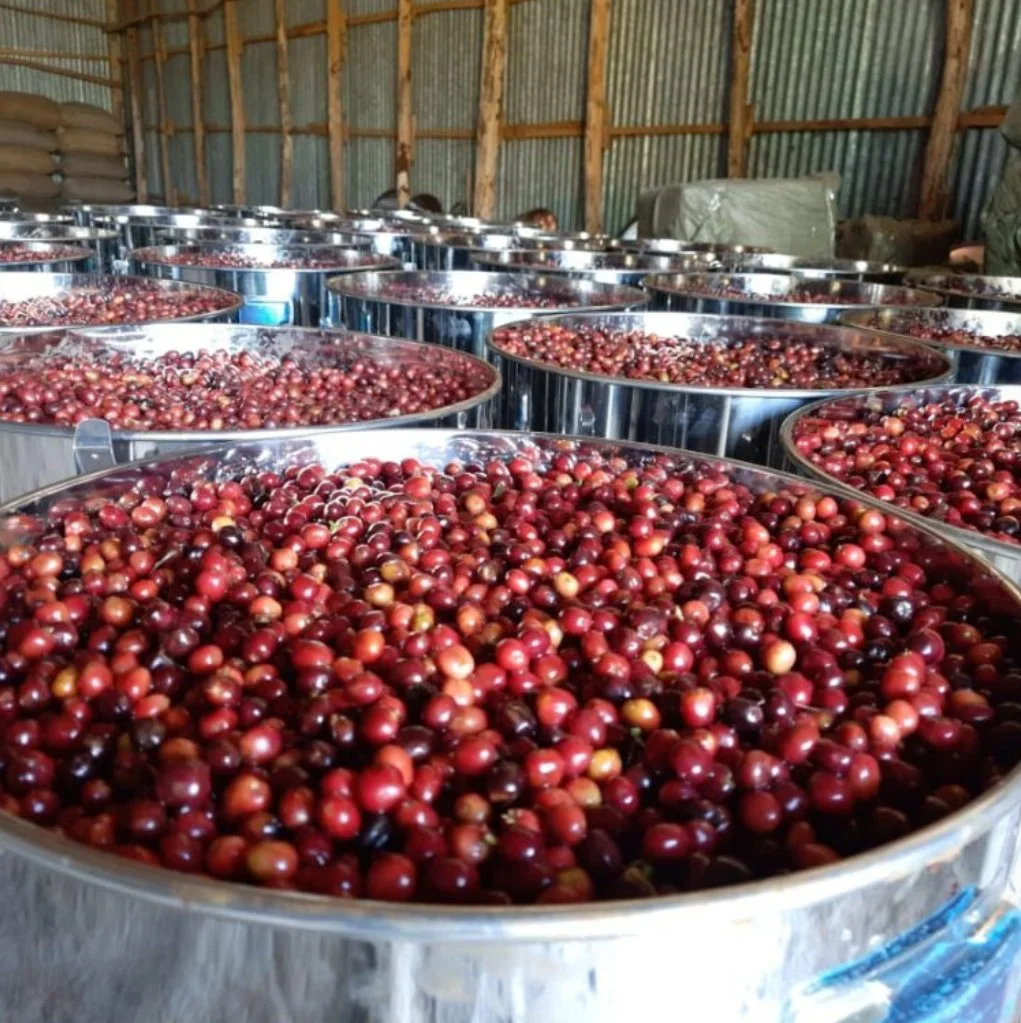
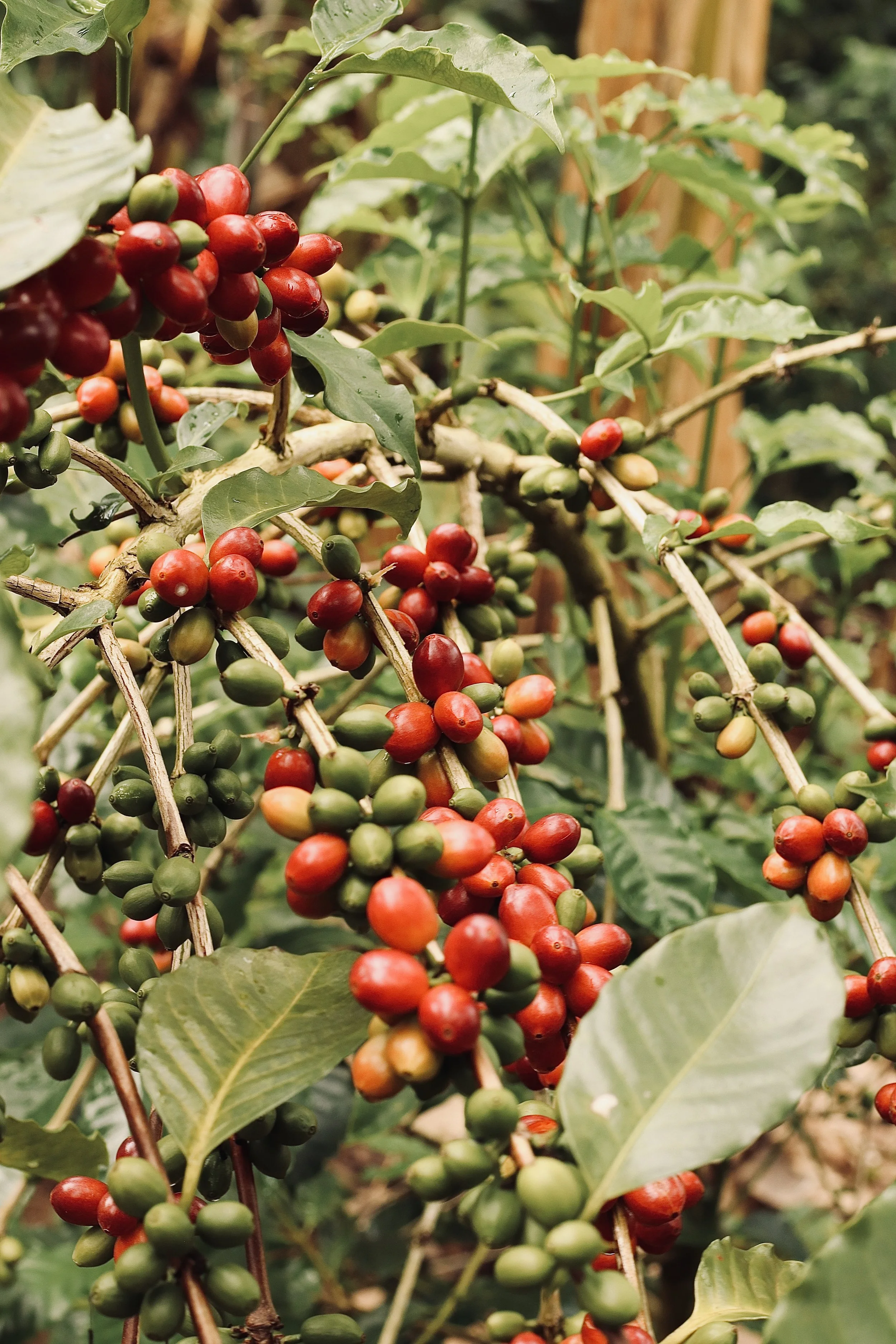
Coffee starts as a fruit. after it’s harvested, producers have to separate the seed we eventually roast from the fruit surrounding it. how—& when— that happens is coffee processing.
washed, natural, honey, anaerobic & co-fermentation coffees all take different paths from cherry to green coffee, creating dramatically different flavors along the way.
The Process…
WASHED
Clean - Bright - Precise
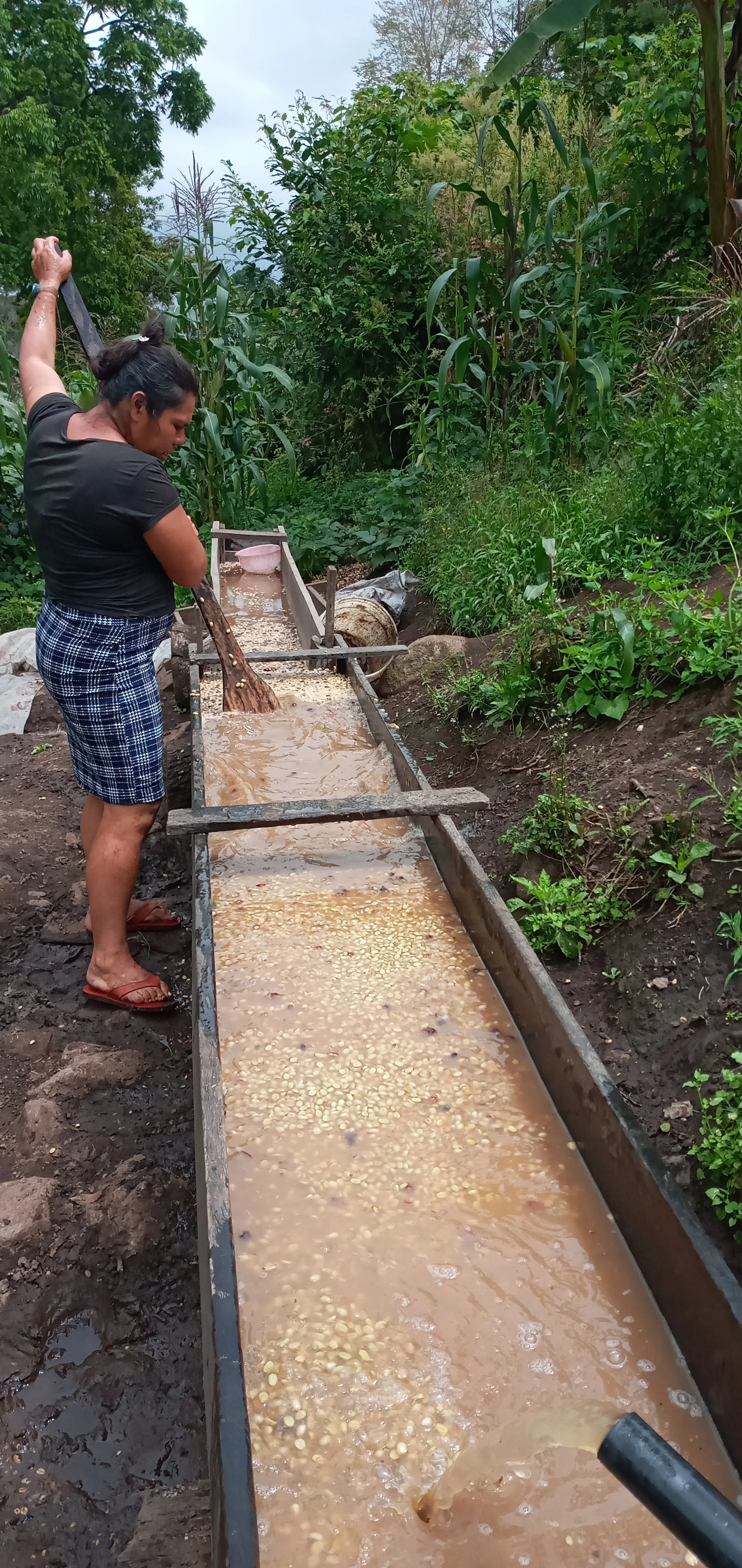
In a washed process, the coffee cherry is removed from the seed shortly after harvest. The coffee is then fermented & washed to remove the remaining sticky fruit (mucilage) before drying.
Because less fruit remains around the seed during drying, washed coffees often show less fruit-like characteristics & more sugar-browning notes such as chocolate, caramel & vanilla. Exceptionally processed lots can achieve bright acidity, tea-like characteristics & complex florals.
HONEY
Sweet - Round - Crisp
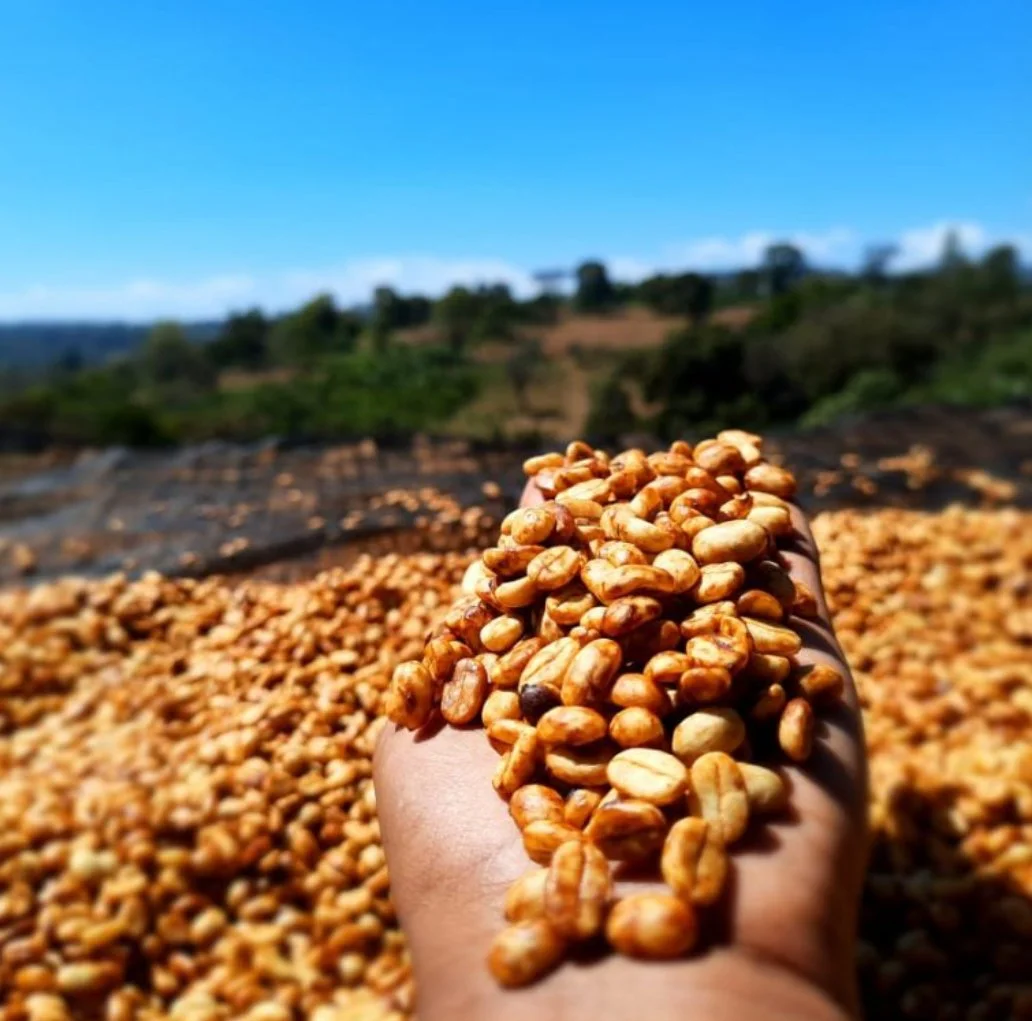
Honey Processing sits between washed & natural. The skin of the coffee cherry is removed, but some of the sticky fruit—or mucilage— is intentionally left around the seed while it dries.
The amount of mucilage left behind & the way the coffee is dried can dramatically influence the final cup. What you might taste: caramel, stone fruit, rounded acidity.
NATURAL
Fruity - Sweet - Expressive
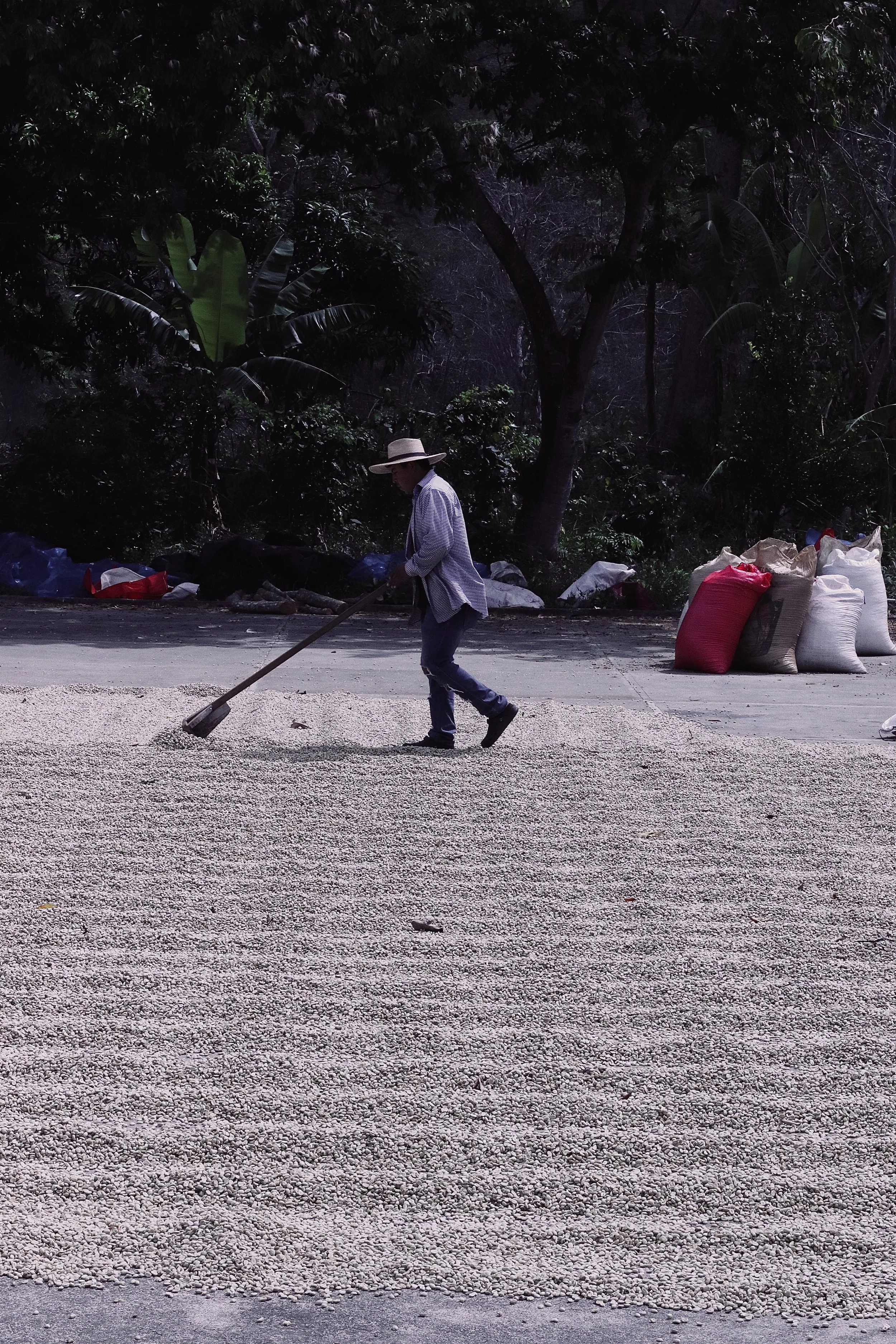
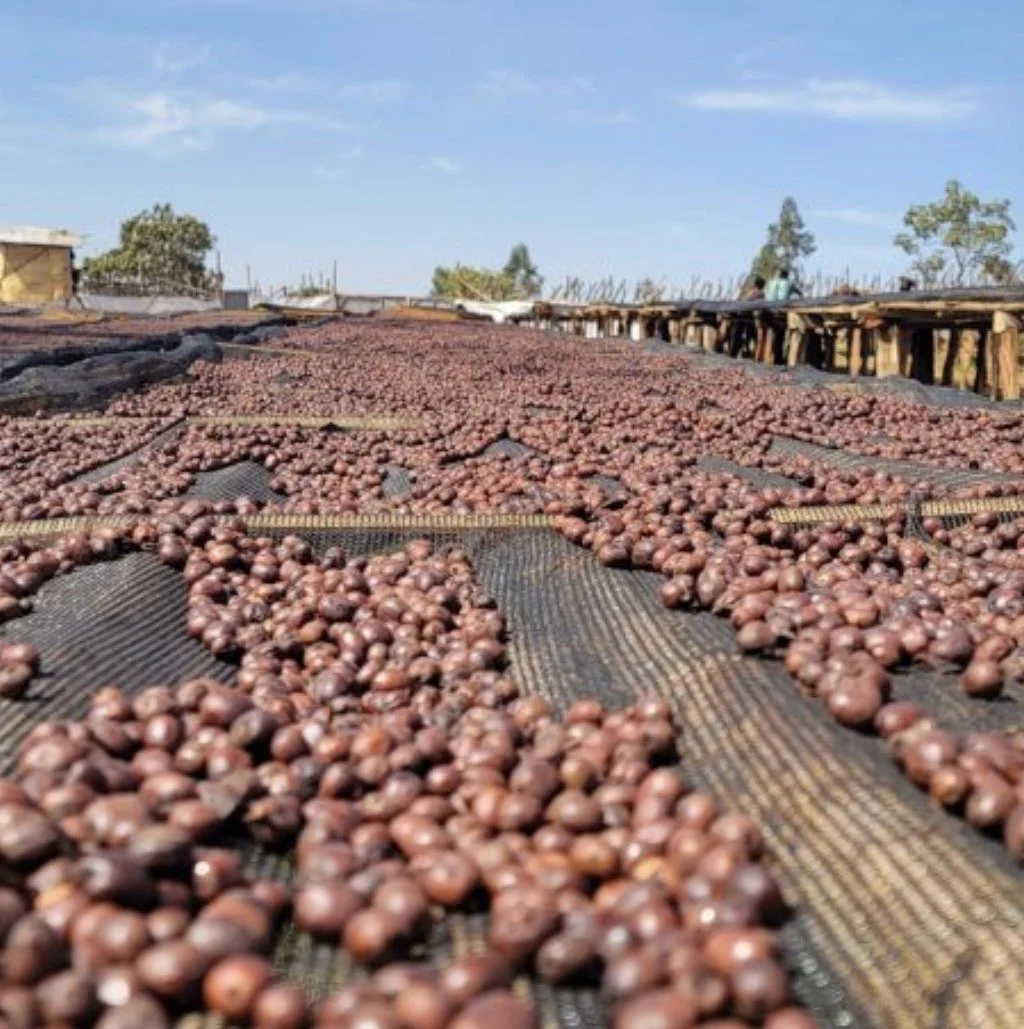
Natural coffee is dried with the whole coffee cherry still surrounding the seed. As the fruit slowly dries, fermentation & extended contact with the cherry can contribute deeper sweetness & more fruit-driven flavors.
Naturals can range from delicate & floral to intensely jammy, tropical or wine-like.
Coffee Fermentation: Aerobic, Anaerobic & Co-ferment
People are often SURPRISED WHEN WE TELL THEM FERMENTATION IS PART OF COFFEE PROCESSING.
MICROORGANISMS LIKE YEASTS & BACTERIA BEGIN INTERACTING WITH THE SUGARS IN & AROUND THE COFFEE FRUIT AFTER HARVEST. PRODUCERS CAN ALLOW THIS TO HAPPEN NATURALLY— OR DELIBERATELY MANIPULATE TIME, TEMPERATURE, OXYGEN & MICROORGANISMS TO INFLUENCE WHAT HAPPENS NEXT.
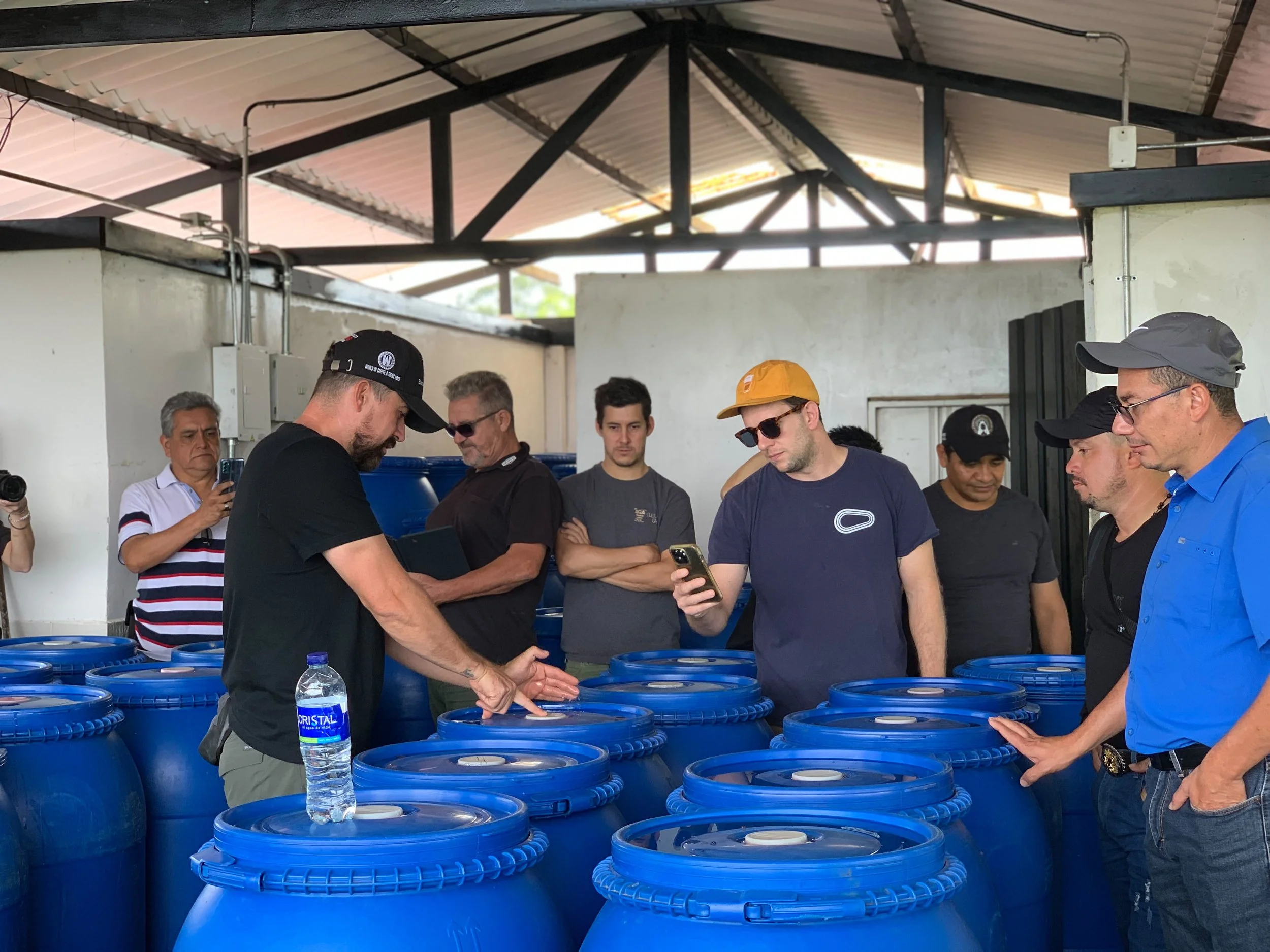
when oxygen is present, fermentation is generally described as aerobic. when coffee ferments in a sealed, low-oxygen environment, it’s generally described as anaerobic.
ONE OF THE BIGGEST VARIABLES? OXYGEN.
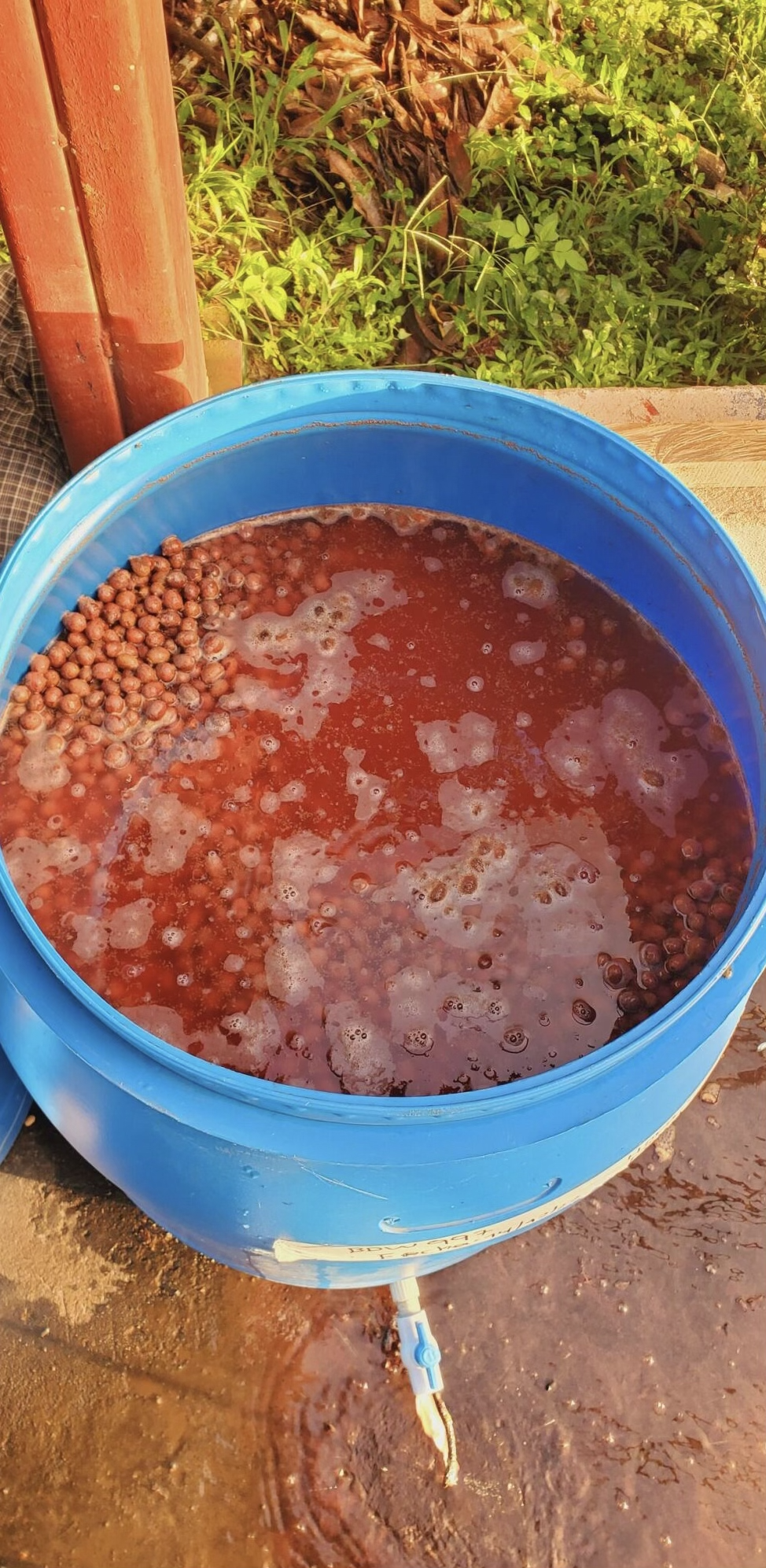
ANAEROBIC
“Anaerobic” describes the fermentation environment rather than what ultimately happens to the coffee fruit. Coffee is fermented in a sealed environment with limited oxygen, allowing producers to more carefully influence temperature, time & microbial activity.
After fermentation, an anaerobic coffee can still be processed as a washed, honey or natural coffee.
What you might taste: tropical fruit, spices, wine-like notes, unusually intense aromatics & higher distinction of flavor.
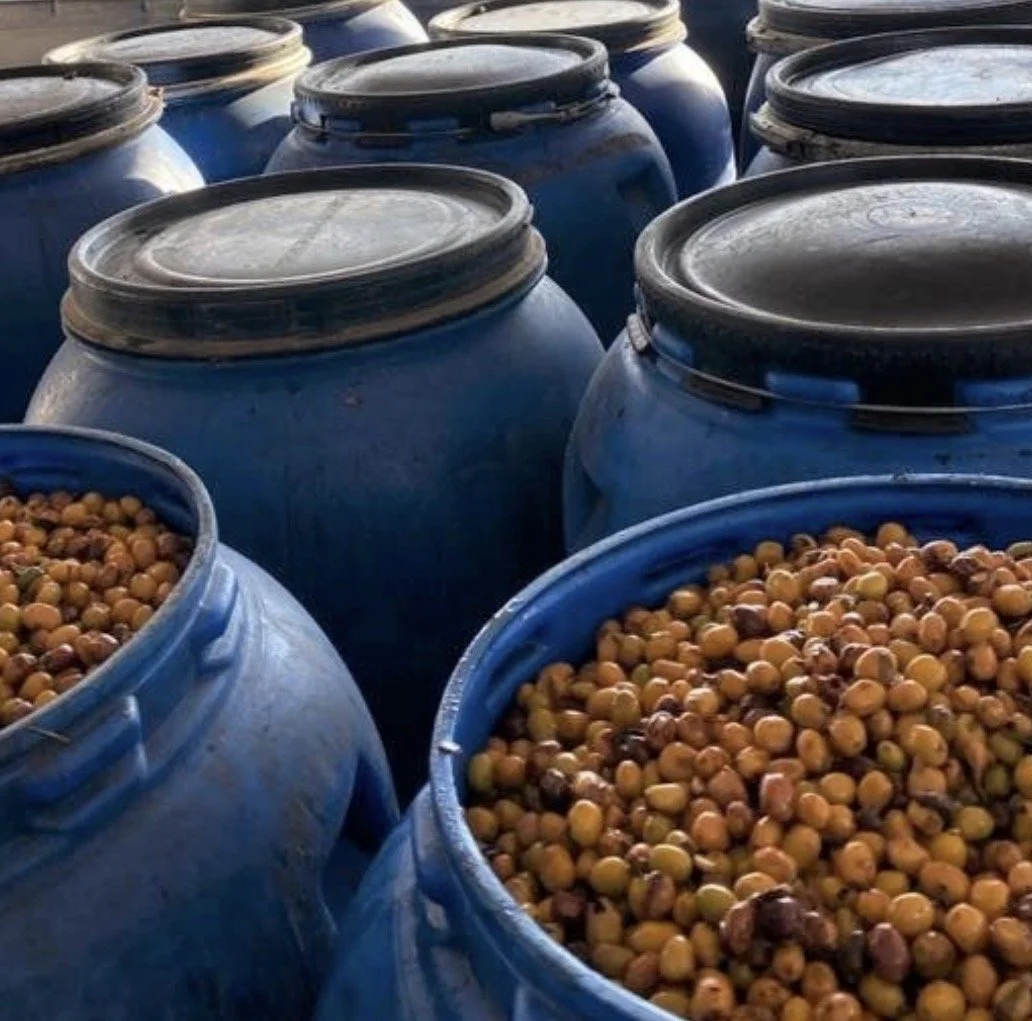
CO-FERMENT
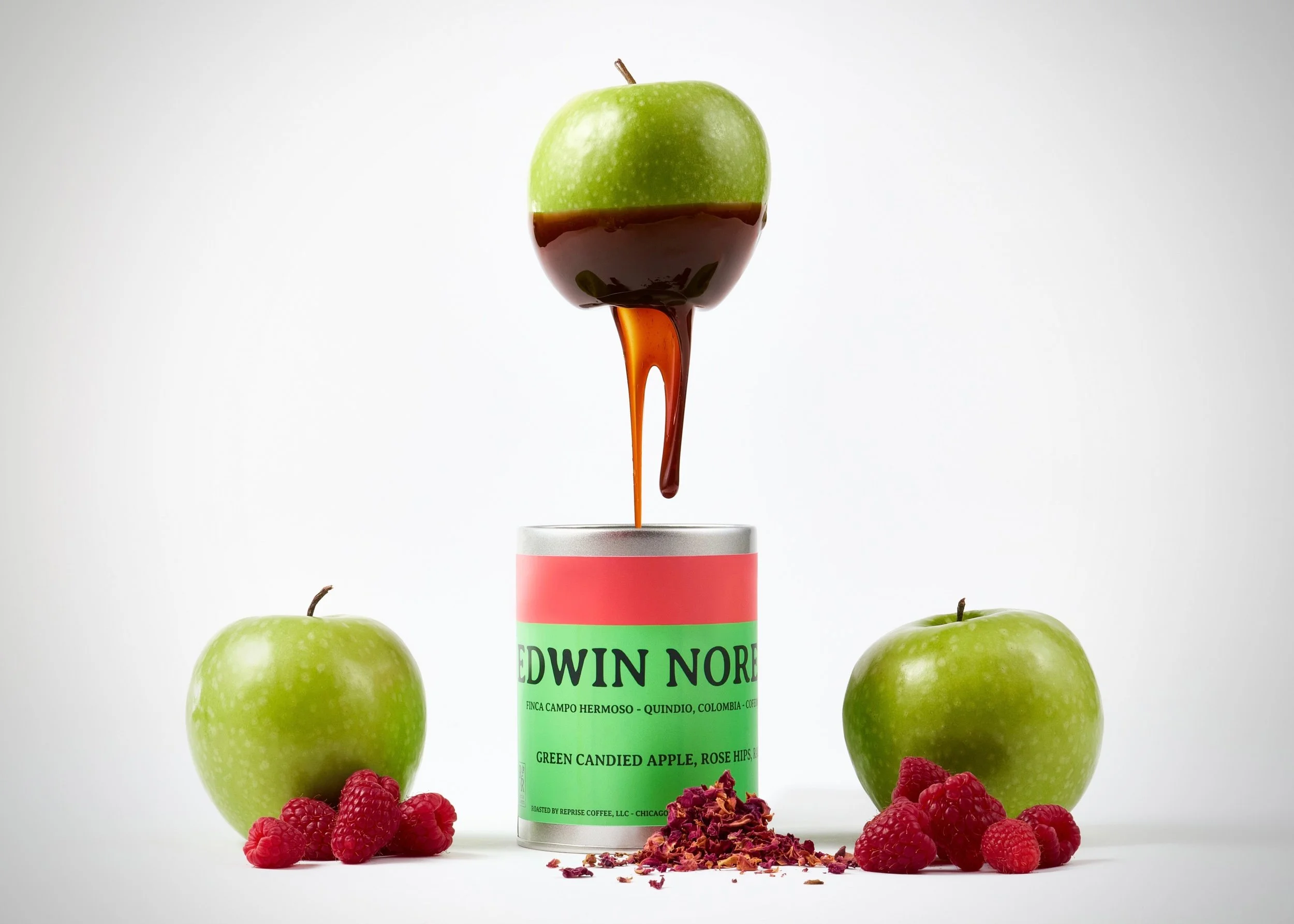
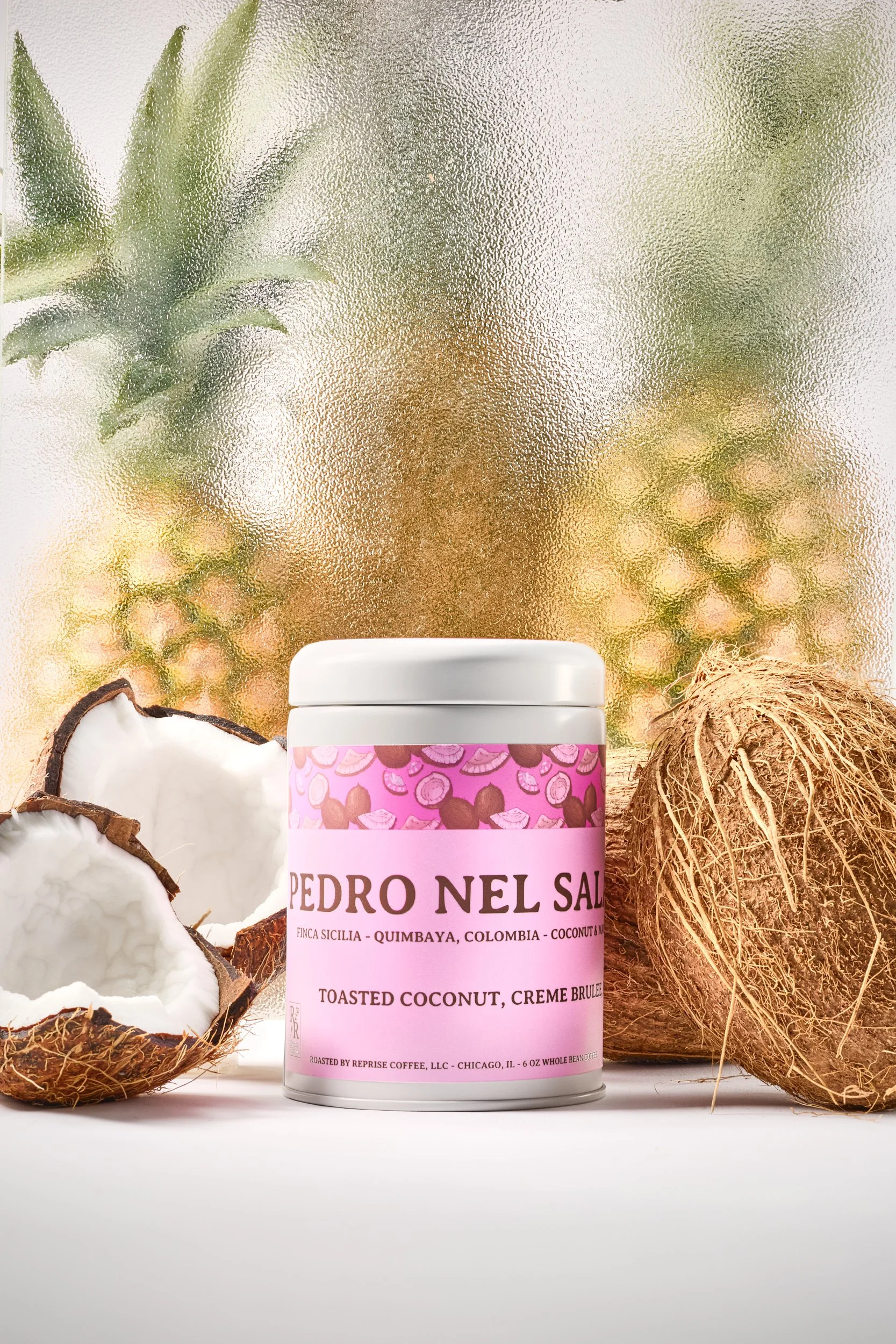
Co-fermentation introduces another ingredient—often fruit, herbs, or spices— during coffee fermentation. These ingredients become part of the fermentation environment, giving producers another tool to influence microbial activity & develop distinctive flavors.
There isn’t one universal method. Producers may ferment whole cherries with fruit, add fruit pulp or juice, use cultivated microorganisms, or develop their own proprietary fermentation protocols. Some producers also use selected yeasts or other microorganisms to more precisely control fermentation— this would be considered an inoculated coffee rather than a co-ferment.
So…is flavor added to the coffee?
Yes— in the sense that an outside ingredient is intentionally introduced during fermentation—but that isn’t the same thing as adding flavoring to roasted coffee. & it isn’t as simple as strawberry molecules soaking into a coffee seed & making it taste like strawberry.
In a co-ferment, for example, fruit, juice or pulp may ferment alongside the coffee. That addition changes the fermentation environment—affecting microbial activity, chemistry & the aromatic compounds that develop along the way.
The science is complicated, & researchers are still working to understand exactly how these interactions translate into flavors we taste in the cup.
That distinction matters to us. We want to know what was added, when it was added & why—& we believe you should know too.
Why we love co-ferments—>
We don’t believe experimental processing automatically makes coffee better. We buy these coffees because, when they’re done well, they can be extraordinary.
Co-fermentation gives producers another creative tool for developing flavor—& gives us coffee unlike anything we’d find through traditional processing alone.
Processing Is Only Part of the Story…
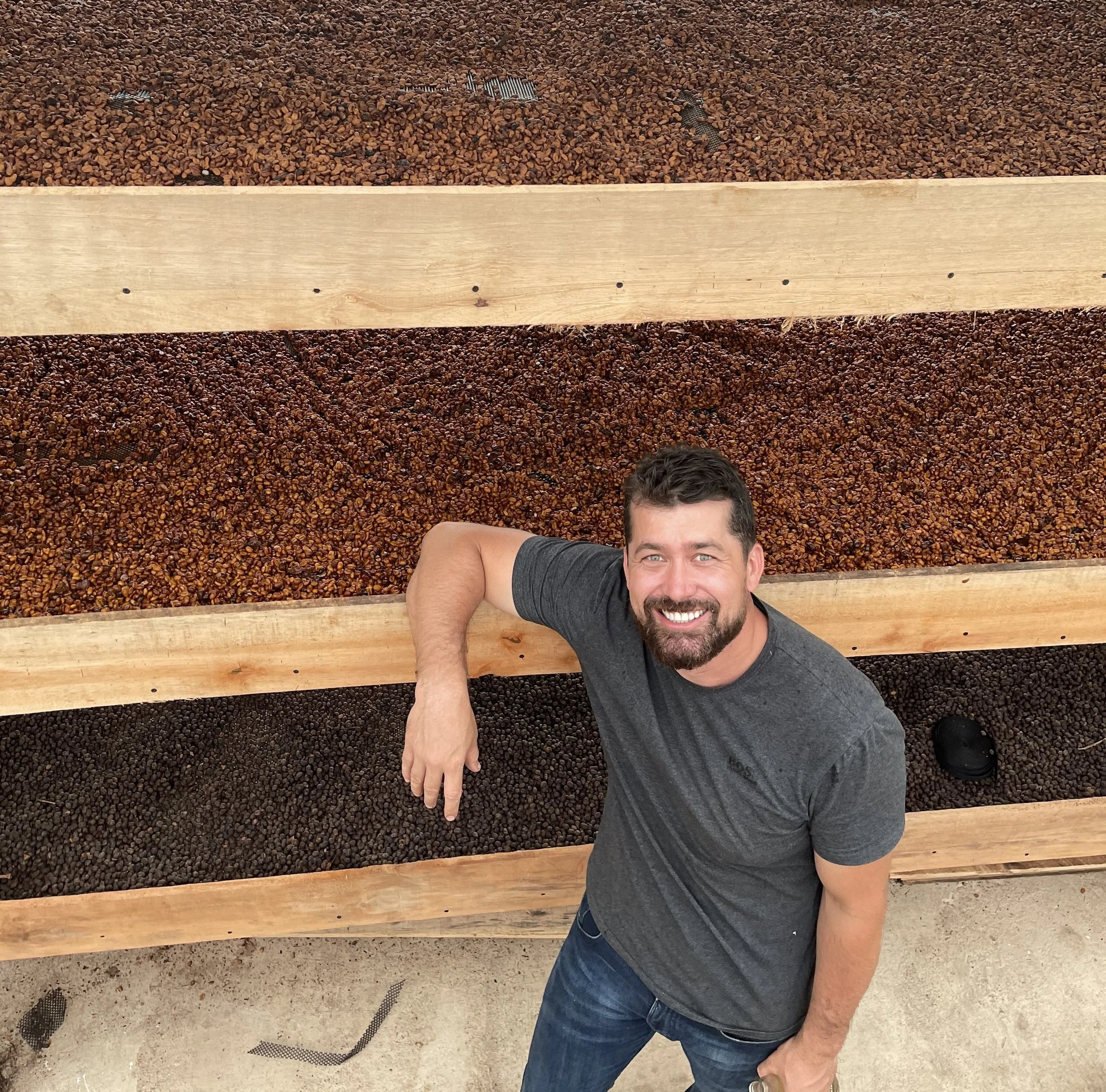
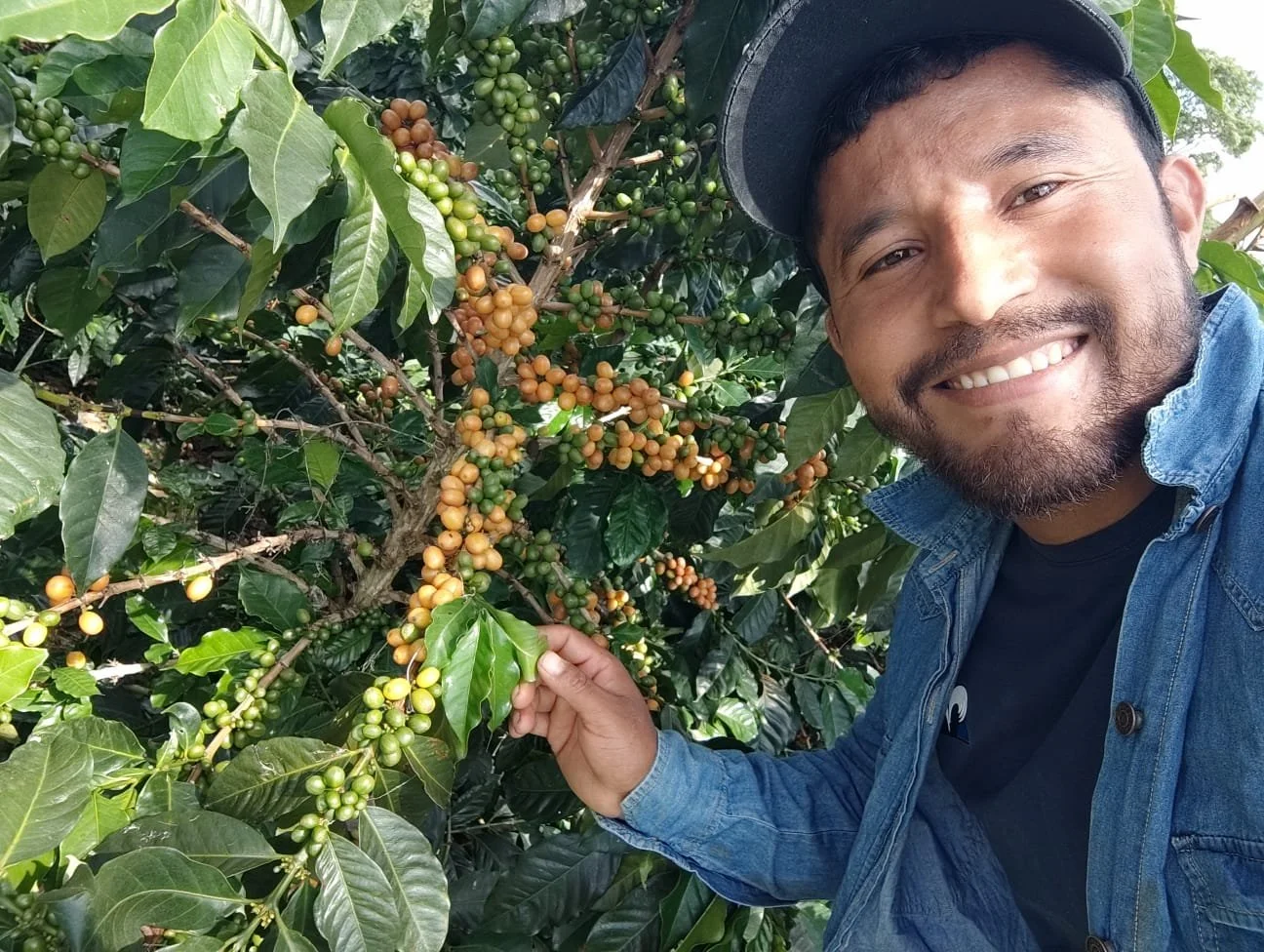
Behind every fermentation experiment is a producer making decisions— choosing the coffee, the ingredients, the microorganisms, the environment & the time.
The coffees below didn’t just change the flavors we thought were possible. They changed the way we think about fermentation.
Meet a few of the producers behind them: